India’s roads are more than just routes connecting one city to another. Some highways cross thousands of kilometres, pass through multiple states and connect completely different landscapes, cultures and economic regions. NH 44 is the most remarkable example of this scale. Stretching from the northern part of India to the southern tip, it forms one of the country’s most important road corridors.
For travellers, NH 44 can mean a long-distance road trip through mountains, plains, forests, historic cities and coastal regions. For businesses, it provides an important route for moving people and goods across the country. Its importance also makes it a popular topic for students preparing for competitive examinations and for anyone interested in India’s transport infrastructure.
Here are 10 interesting facts about NH 44 that explain why this highway is so important.
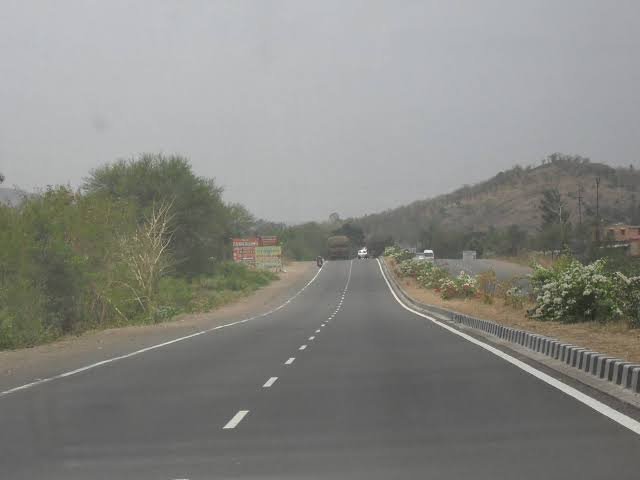
1. NH 44 Is India’s Longest National Highway
The biggest fact about NH 44 is its enormous length. It is widely recognised as India’s longest national highway, covering approximately 4,100 km.
The highway runs from Srinagar in Jammu and Kashmir to Kanyakumari in Tamil Nadu, creating a north-south road corridor across India.
Its huge length means that a journey along NH 44 can expose travellers to dramatically different geographical conditions, weather patterns and cultures.
2. NH 44 Connects India’s Northern and Southern Extremes
NH 44 provides a continuous major highway connection between the northern Himalayan region and the southern tip of mainland India.
Its broad route connects areas around:
- Jammu and Kashmir
- Punjab
- Haryana
- Delhi
- Uttar Pradesh
- Rajasthan
- Madhya Pradesh
- Maharashtra
- Telangana
- Andhra Pradesh
- Karnataka
- Tamil Nadu
This makes the highway strategically important for both passenger and commercial transportation.
3. NH 44 Was Created Through Highway Renumbering
The present NH 44 did not simply appear as a completely new road.
It was created as part of India’s national highway renumbering system, which reorganised several existing national highways into a more systematic numbering structure.
Several older highway sections were combined to form the present NH 44 corridor.
This is why older maps, documents and travel information may sometimes show different highway numbers for sections that are now part of NH 44.
4. It Passes Through Multiple Geographical Landscapes
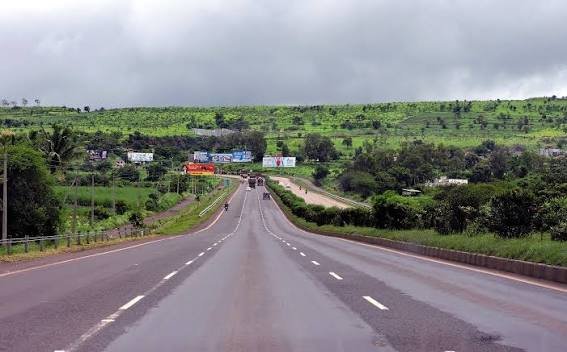
One of the most fascinating things about NH 44 is the diversity of landscapes along its route.
A traveller following the highway can experience:
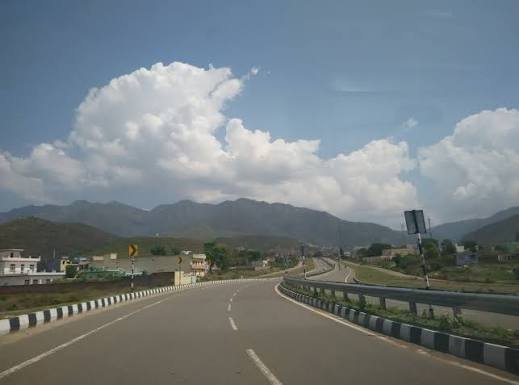
- Mountainous terrain in the north
- Fertile agricultural plains
- Large urban areas
- Central Indian forests and plateaus
- Deccan landscapes
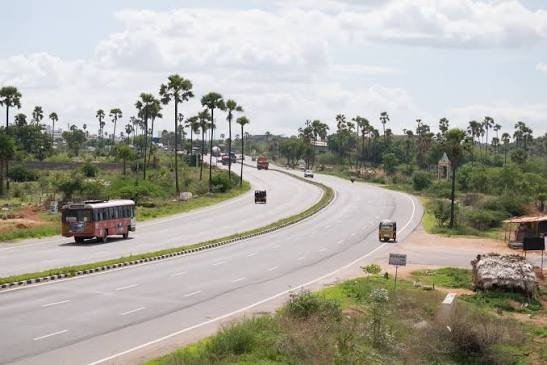
- Southern plains
- Tropical environments closer to the southern end
The changing scenery makes NH 44 particularly interesting for long-distance road trips.
5. NH 44 Connects Major Indian Cities
NH 44 is not limited to small towns and rural areas. It provides connectivity to or near several major urban centres.
Depending on the specific section and route alignment, important cities and regions associated with the corridor include Srinagar, Jammu, Delhi, Agra, Gwalior, Nagpur, Hyderabad and Bengaluru, among others.
This urban connectivity makes the highway valuable for:
- Daily transportation
- Interstate travel
- Tourism
- Business movement
- Freight transportation
6. NH 44 Is Important for Trade and Logistics
A highway extending across such a large portion of India naturally becomes important for the movement of goods.
Trucks and commercial vehicles use major sections of NH 44 to transport products between manufacturing centres, agricultural regions, markets and distribution hubs.
The highway contributes to the movement of:
- Agricultural products
- Industrial materials
- Consumer goods
- Machinery
- Construction materials
- Commercial shipments
Better highway connectivity can reduce travel time, improve logistics efficiency and support economic activity along the corridor.
7. NH 44 Has Major Strategic Importance
The northern portion of NH 44 has particular strategic significance because it provides road connectivity in Jammu and Kashmir.
Road infrastructure in this region is important for civilian transportation as well as the movement of essential supplies and other logistical requirements.
The highway therefore has significance beyond ordinary tourism and commercial travel.
Its strategic value becomes particularly evident in mountainous areas, where reliable road connectivity can be challenging because of terrain, weather and geological conditions.
8. NH 44 Includes Some Challenging Mountain Sections
The northern sections of the highway pass through mountainous terrain, making construction and maintenance considerably more difficult than on flat land.
Mountain roads can face challenges such as:
- Heavy snowfall
- Landslides
- Rockfalls
- Heavy rainfall
- Steep slopes
- Winter road closures
- Difficult construction conditions
For travellers, this means that conditions can change quickly in mountainous sections. Checking weather and road conditions before starting a journey is especially important.
9. NH 44 Is Significant for Tourism
NH 44 also provides access to numerous tourist destinations and culturally important places across India.
Because it crosses such a large geographical area, travellers can combine highway journeys with visits to different types of attractions.
Depending on the section, tourists can explore:
- Himalayan landscapes
- Historic cities
- Religious destinations
- Wildlife areas
- Central Indian attractions
- Southern temples
- Coastal destinations
For people who enjoy road trips, NH 44 offers the possibility of experiencing several distinct regions within a single long-distance journey.
10. NH 44 Represents India’s North-South Road Connectivity
Perhaps the most interesting fact is what NH 44 represents as a whole. It demonstrates how India’s national highway network connects regions that are separated by thousands of kilometres.
From the mountains of Jammu and Kashmir to Kanyakumari, the corridor crosses different languages, cuisines, climates, traditions and economic zones.
This makes NH 44 more than just a highway number. It is an important part of India’s transportation infrastructure and an example of how road connectivity can link diverse parts of the country.
Why Is NH 44 Important for Indian Travellers?
If you are planning a long road journey through India, understanding NH 44 can be useful. However, because it covers such a huge distance, conditions are not identical along the entire route.
Before travelling, consider:
- Check the latest road and weather conditions.
- Plan fuel and rest stops for remote sections.
- Keep additional travel time for mountainous stretches.
- Check toll and route information before departure.
- Carry essential documents and emergency supplies.
- Avoid assuming that conditions are the same across every state.
- Use updated navigation information because highway alignments and construction work can change.
Frequently Asked Questions
Q. Is NH 44 the longest highway in India?
Yes. NH 44 is generally recognised as India’s longest national highway, with an approximate length of more than 4,000 km.
Q. Where does NH 44 start and end?
NH 44 runs broadly from Srinagar in Jammu and Kashmir to Kanyakumari in Tamil Nadu, forming one of India’s major north-south highway corridors.
Q. How many states does NH 44 pass through?
NH 44 passes through or connects areas across numerous Indian states and union territories. The exact count can depend on how specific highway sections and alignments are classified after route changes.
Q. NH 44 suitable for a complete road trip?
A complete NH 44 journey is possible in principle, but it requires substantial planning because of the highway’s enormous length and the wide variation in terrain, weather, traffic and road conditions. Travellers should plan the journey in sections rather than treating it as a single ordinary road trip.
One thought on “10 Interesting Facts About NH 44 Highway You Should Know”