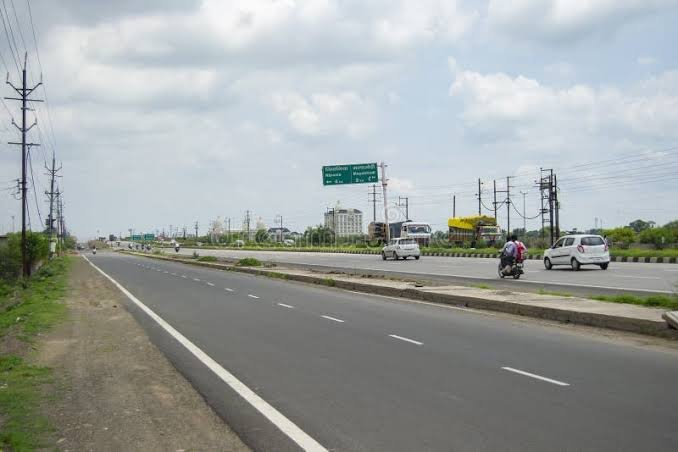
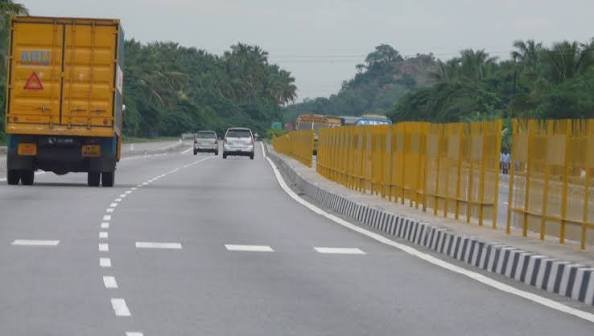
Cutting straight through Haryana’s heartland, the Trans-Haryana Expressway has transformed a journey that once took 9-10 exhausting hours into a manageable 4-5 hour drive. Also known as the Ambala-Narnaul Expressway, this 227-km, six-lane corridor was purpose-built to bypass Delhi entirely, giving travellers from Punjab, Jammu & Kashmir, and Himachal Pradesh a faster, more direct route toward Rajasthan and beyond.
Here’s the complete, current picture of this expressway’s route, toll structure, and what makes it a genuinely strategic piece of India’s highway network.
Trans-Haryana Expressway Quick Facts
| Detail | Information |
| Starting point | Gangheri village, Kurukshetra district (near Ismailabad/Ambala) |
| Ending point | Surana village, Mahendragarh district (Narnaul bypass) |
| Total length | 227 km |
| Lanes | 6-lane, greenfield, access-controlled |
| Districts covered | 8 |
| Maintained by | National Highways Authority of India (NHAI) |
| Part of | Bharatmala Pariyojana; Ambala-Kotputli Economic Corridor (313 km) |
| Opened | August 1, 2022 |
| Project cost | Approximately ₹5,108 crore |
| Distance saved | 35 km shorter than the old Ismailabad-Narnaul route |
Where the Expressway Begins and Ends
The Trans-Haryana Expressway starts at Gangheri village in Kurukshetra district, near Ambala, and runs south to Surana village in Mahendragarh district, connecting to the Narnaul bypass close to the Haryana-Rajasthan border. Beyond Narnaul, the corridor continues via NH-148B toward Kotputli in Rajasthan, ultimately linking toward the Delhi-Jaipur Highway.
Key route facts:
- Total length: 227 km, running north to south through Haryana
- Part of the larger 313-km Ambala-Kotputli Economic Corridor
- Reduces Ambala-to-Narnaul travel time from 9-10 hours to just 4-5 hours
- Shortens the actual distance by 35 km compared to the older route
- Provides a genuine alternate path that bypasses Delhi entirely
The Route Through Haryana’s Eight Districts
Leaving Gangheri near Ambala, the expressway runs south through a sequence of districts that together span much of central and southern Haryana.
Districts crossed, north to south:
- Kurukshetra — starting point near Gangheri/Ismailabad
- Kaithal — passes near Kaul and Pundri
- Karnal — central Haryana district
- Jind — passes near Assandh and Julana
- Rohtak — passes near Kalanaur and Dhatrath
- Bhiwani — central-southern stretch
- Charkhi Dadri — significant midpoint junction
- Mahendragarh — ending district, passes Kanina before reaching Narnaul
Why This Expressway Matters Strategically
This corridor was built with a specific purpose beyond simply connecting two Haryana towns, and understanding that purpose explains its design and priority within India’s broader highway network.
Key strategic points:
- Built specifically to reduce travel time between Ambala and Jaipur
- Provides an alternate route that bypasses congested Delhi entirely
- Connects travellers from Jammu & Kashmir, Punjab, and Himachal Pradesh toward Rajasthan without routing through the capital
- Links to major highways including NH-44, NH-9, NH-148B, and the Delhi-Mumbai Expressway
- Forms a critical link in the broader Bharatmala Pariyojana national connectivity plan
Infrastructure Built Along the Route
Substantial construction went into making this a genuine high-speed, access-controlled corridor rather than an upgraded ordinary highway.
Built infrastructure includes:
- 70 metres of causeway
- 122 bridges and underpasses
- 16 interchanges for entry and exit access
- 1,36,000 trees planted along both sides of the corridor
- Advanced Traffic Management System (ATMS), deployed in November 2025 for enhanced monitoring and safety
Toll Rates and Payment Requirements
As an access-controlled expressway under NHAI, the Trans-Haryana Expressway operates on standard distance-based tolling similar to other major Haryana corridors.
What you need to know about tolling:
- FASTag is mandatory for smooth passage — required across Haryana’s major expressways
- Vehicles without FASTag typically face significantly higher rates, as seen on comparable Haryana corridors like the KMP Expressway (₹1.35/km with FASTag versus ₹2.70/km without)
- Toll collection is managed through NHAI’s standard electronic toll system with ANPR camera backup
- Local residents within a defined radius of toll plazas may be eligible for discounted rates, consistent with NHAI policy on other Haryana expressways
Speed Limits You Need to Follow
Given the expressway’s access-controlled design, specific speed limits apply by vehicle category and road condition, and these are strictly enforced.
Speed limits by category:
- Cars: 70-90 km/h on main stretches (average travel speeds of 80-100 km/h)
- Trucks and buses: 60-65 km/h
- Near repair or construction zones: reduced to 25 km/h
- Two-wheelers, three-wheelers, tractors, and non-motorised vehicles: not permitted on the expressway at all, given its access-controlled status
Connectivity to Other Major Highways
One of this expressway’s biggest practical advantages is how thoroughly it plugs into Haryana and North India’s broader highway network.
Key connections along the route:
- NH-152 at the northern Gangheri end
- NH-709A, NH-352A, NH-352, NH-9, NH-709, NH-334B — intersecting at various points along the corridor
- NH-148B beyond Narnaul, connecting toward the Delhi-Jaipur Highway near Kotputli
- Delhi-Mumbai Expressway — reachable via connecting corridors
- A 22.85-km greenfield link (NH-152G) connecting Jalbehra to Shahbad is under separate construction, further expanding regional connectivity
Environmental and Economic Considerations
Beyond transport efficiency, this expressway was designed with specific environmental and regional development goals in mind.
Notable initiatives:
- Fly ash from Tau Devi Lal Thermal Power Plant (Panipat), Indira Gandhi Super Thermal Power Project (Jhajjar), and Rajiv Gandhi Thermal Power Station (Hisar) is being used in construction to reduce environmental impact
- Construction created approximately 1,500 full-time jobs during the building phase
- Around 120 ongoing jobs support toll plaza operations
- The corridor is expected to boost residential and commercial real estate development across the districts it passes through
FAQs
Q1. Can I ride a two-wheeler or drive a tractor on this expressway?
No — as an access-controlled expressway, NH-152D strictly prohibits two-wheelers, three-wheelers, tractors, and other non-motorised or slow-speed vehicles. Only standard motor vehicles designed for expressway speeds are permitted.
Q2. Is FASTag mandatory, or can I pay toll in cash?
FASTag is required for smooth passage on this expressway, consistent with Haryana’s broader expressway policy. Vehicles without FASTag typically face significantly higher toll rates compared to FASTag users, based on patterns seen across comparable Haryana corridors.
Q3. How much time does this expressway actually save compared to the old route?
The Ambala-to-Narnaul journey has dropped from roughly 9-10 hours to just 4-5 hours, while the physical distance itself is about 35 km shorter than the previous route via Ismailabad. This combination of shorter distance and higher speeds accounts for the dramatic time savings.
Q4. Does this expressway help me avoid Delhi traffic if I’m travelling from Punjab or Jammu toward Rajasthan?
Yes — that’s specifically part of its design purpose. The Trans-Haryana Expressway provides a direct bypass route connecting northern states like Punjab, Jammu & Kashmir, and Himachal Pradesh toward Rajasthan without needing to route through Delhi’s congested corridors.