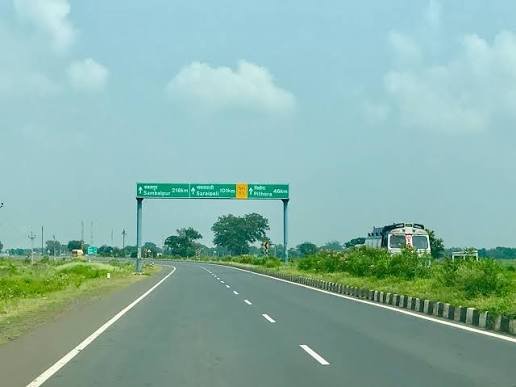
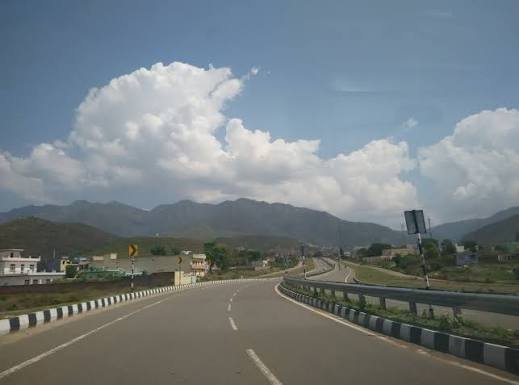
Delayed by a pandemic, construction bans due to air pollution, and even a structural collapse during construction, the Sohna Elevated Corridor finally opened to the public in July 2022 — a 21.65-km, six-lane elevated highway that has genuinely transformed the notoriously congested Gurgaon-Sohna route. This corridor now also functions as the northern terminal for the under-construction 1,350-km Delhi-Mumbai Expressway, making it a genuinely strategic piece of NCR’s road network.
Here’s the complete, current picture of this expressway’s route, toll structure, and the access improvements that followed public complaints after its initial opening.
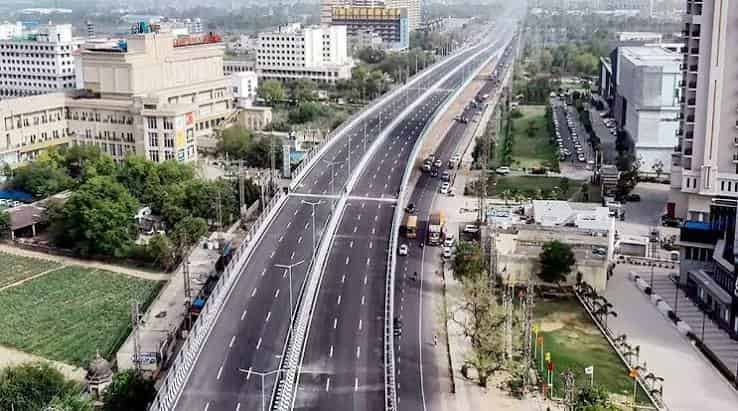
Sohna Elevated Corridor Quick Facts
| Detail | Information |
| Also known as | Sohna Road, Sohna Expressway |
| Highway designation | NH-248A |
| Starting point | Rajiv Chowk, Gurugram |
| Ending point | K.R. Mangalam University, Sohna |
| Total length | 21.65 km |
| Lanes | 6-lane, access-controlled, elevated |
| Maintained by | National Highways Authority of India (NHAI) |
| Construction cost | Approximately ₹1,466-2,000 crore |
| Fully opened | July 11, 2022 |
| Toll plaza | Ghamroj/Ghamdauj, 22-lane |
Where the Corridor Begins and Ends
The Sohna Elevated Corridor starts at Rajiv Chowk in Gurugram, near the Delhi-Gurgaon Expressway junction, and runs south to K.R. Mangalam University in Sohna, connecting toward the Delhi-Mumbai Expressway.
Key route facts:
- Total length: 21.65 km
- Forms part of NH-248A, the highway continuing onward to Alwar, Rajasthan
- Now serves as the northern terminal for the 1,350-km Delhi-Mumbai Expressway
- Includes three-lane service roads on both sides for local traffic movement
Construction: Two Packages, One Genuinely Delayed Project
Understanding this corridor’s construction history explains why it took considerably longer than originally planned to reach completion.
Package breakdown:
- Package 1 — Rajiv Chowk to Badshahpur, 8.94 km, ₹800 crore, built by Oriental Structural Engineers
- Package 2 — Badshahpur to K.R. Mangalam University in Sohna, 12.71 km, ₹666 crore, built by H.G. Infra Engineering
Why the project faced delays:
- Construction began in 2018 with an original completion target
- COVID-19 pandemic lockdowns significantly disrupted work
- Construction bans due to increasing air pollution added further delays
- A 40-metre spine structure collapsed on August 22, 2020, pushing the completion date to June 30, 2022
- Fully opened to the public on July 11, 2022, roughly a month after the revised deadline
Why This Corridor Was Genuinely Necessary
Sohna Road had become one of Gurgaon’s most notorious congestion points, and understanding the specific problem this elevated corridor solved explains its priority within NHAI’s development plans.
The core problem it addressed:
- Sohna Road connects two of Haryana’s most popular residential hubs — Gurgaon and Sohna
- Mixed traffic and rapid urban growth along the surface route created severe, persistent bottlenecks
- The elevated design specifically minimizes disruption to local traffic continuing to operate below the structure
- Commuters previously had to navigate congested surface roads through Subhash Chowk, Badshahpur, Bhondsi, and onward
Access Point Improvements: A Genuine Response to Public Complaints
This is worth understanding specifically, since the corridor’s access design changed meaningfully after residents raised legitimate concerns following its initial opening.
How access evolved:
- Initially, the elevated road was designed with single entry and exit points only, at Ghamroj Toll Plaza or Sohna for southbound traffic, and Bhondsi or Ghamroj for northbound traffic
- Residents in Sohna and nearby villages, particularly Islampur and Tikri, faced genuine access difficulties under this original design
- NHAI responded by converting two of three midway access points — Subhash Chowk and Bhondsi — into full entries and exits
- Total entrances and exits currently stand at 14, considerably more accessible than the original single-point design
Toll Rates: A Significant Increase Worth Knowing
Toll rates on this corridor saw a substantial jump following the elevated road’s construction, and understanding this history helps set realistic expectations for current charges.
Toll rate history:
- Original one-way car toll: ₹45
- After the elevated corridor’s construction, rates increased to ₹115 one-way — more than double the previous rate
- This increase, effective from a specific August 4 midnight deadline, was attributed by NHAI officials to the cost of constructing the elevated infrastructure itself
- Toll collected at a 22-lane toll plaza on NH-248A in Ghamdauj/Ghamroj village
Monthly pass details:
- Residents living within 20 km of the toll plaza qualify for a monthly pass at ₹315 for unlimited trips
- This monthly pass rate remained unchanged even after the standard one-way toll increased significantly
- Required documents: vehicle registration certificate (RC) and a hard copy of Aadhaar card
Connectivity to the Delhi-Mumbai Expressway
Beyond its immediate Gurgaon-Sohna function, this corridor carries genuine strategic importance as part of India’s largest current expressway project.
Strategic connectivity:
- Functions as the northern terminal for the under-construction Delhi-Mumbai Expressway
- A 5.5-km elevated flyover section connecting toward this larger project has already opened for public use
- This connection positions Gurugram as a genuine gateway point for the broader Delhi-Mumbai corridor once fully operational
Future Extension Plans
NHAI has considered further expanding this elevated corridor concept beyond its current scope, extending toward Rajasthan.
Extension considerations:
- Original planning explored extending the elevated corridor concept from 5.5 km to as much as 16.5 km
- Broader plans include road widening along NH-248A extending toward Alwar in Rajasthan
- Full corridor extension project, including elevated road construction and widening, was estimated at approximately ₹1,100 crore
- Would require land acquisition across 54 villages between Gurgaon and Alwar districts
- Remains under consideration rather than confirmed construction as of the latest available updates
FAQs
Q1. Why did the toll on this route increase so dramatically after the elevated corridor opened?
NHAI attributed the increase — from ₹45 to ₹115 one-way for cars — directly to the cost of constructing the elevated infrastructure itself. This reflects a common pattern where toll rates rise significantly following major capacity and infrastructure upgrades on a given stretch.
Q2. I live near Sohna but don’t want to pay the full toll every day — what are my options?
If you reside within 20 km of the Ghamroj/Ghamdauj toll plaza, you can get a monthly pass for just ₹315, covering unlimited trips. You’ll need your vehicle registration certificate and a copy of your Aadhaar card to apply.
Q3. Can I access this elevated corridor from Bhondsi or Subhash Chowk, or only from the main endpoints?
Yes — following resident complaints about limited access, NHAI converted the Subhash Chowk and Bhondsi midway points into full entries and exits, bringing the total access points to 14 across the corridor.
Q4. Does this corridor connect directly to the Delhi-Mumbai Expressway right now?
A 5.5-km elevated flyover section connecting toward the Delhi-Mumbai Expressway has already opened, with the Sohna Elevated Corridor serving as that project’s northern terminal. Check current NHAI status for the latest connectivity details as the broader Delhi-Mumbai Expressway continues toward full completion.