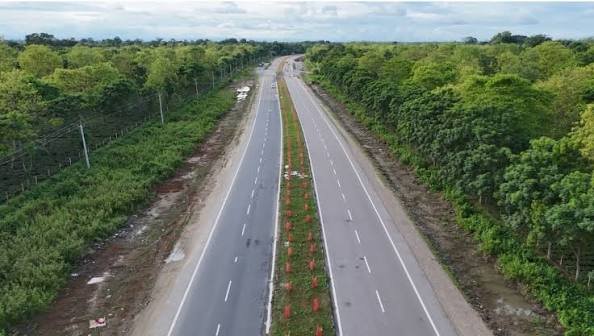
Officially named the Yashwantrao Chavan Expressway, this 94.5-km corridor holds a genuinely historic title: it’s India’s first six-lane, access-controlled, concrete expressway. Opened in April 2002, it transformed the Mumbai-Pune journey from a punishing 4-5 hour drive over the old ghat road into a smooth 2.5-3 hour trip, and remains one of Maharashtra’s busiest and most economically significant corridors more than two decades later.
Here’s the complete, current picture of this pioneering expressway’s route, toll structure, and the practical details every traveller needs.
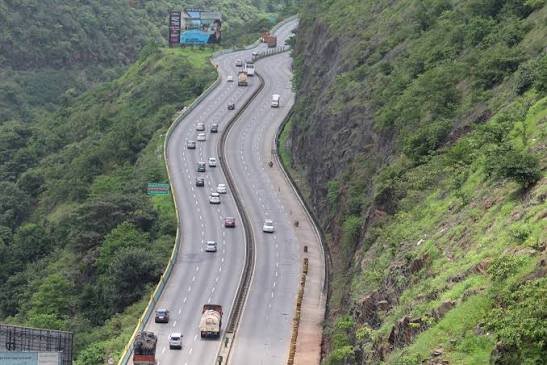
Mumbai-Pune Expressway Quick Facts
| Detail | Information |
| Official name | Yashwantrao Chavan Expressway |
| Starting point | Kalamboli, Navi Mumbai, Raigad district |
| Ending point | Ravet, Pune |
| Total length | 94.5 km |
| Lanes | 6-lane, concrete, access-controlled |
| Maintained by | Maharashtra State Road Development Corporation (MSRDC) |
| Opened | April 2002 |
| Rank | India’s first controlled-access expressway |
| Total Pune-Mumbai travel distance | Approximately 145 km (expressway plus connecting roads) |
| Travel time | 2.5-3 hours |
Where the Expressway Begins and Ends
The Mumbai-Pune Expressway starts at Kalamboli in Navi Mumbai, Raigad district, and runs to Ravet on Pune’s outskirts. It’s worth understanding that the 94.5-km figure refers specifically to the dedicated expressway stretch — the total practical driving distance between the two cities, including connecting roads on either end, comes to roughly 145 km.
Key route facts:
- Dedicated expressway length: 94.5 km
- Total Pune-to-Mumbai driving distance: approximately 145 km
- Connects to Sion-Panvel Expressway and NH 548 at the Kalamboli end
- Connects to NH 48 at both the Kalamboli and Ravet ends
- Major towns along the route: Panvel, Khalapur, Khandala, Lonavala, Talegaon Dabhade
The Route Through the Western Ghats
Leaving Kalamboli, the expressway passes through Panvel before climbing toward Khopoli and then Khandala, where the dramatic ghat descent begins. Continuing through Lonavala, the route passes Talegaon Dabhade before reaching Ravet on Pune’s edge.
Key points along the route:
- Kalamboli — Mumbai-side starting point, reached via Sion-Panvel Highway
- Khalapur — the most-searched toll plaza on the entire expressway, positioned near key access points
- Khandala — where the ghat descent begins; exit before this point if heading specifically to Lonavala
- Lonavala — popular hill station stop, accessible without paying the Khandala toll if you exit earlier
- Talegaon Dabhade — approach toward Pune
- Ravet — Pune-side terminus, connecting to NH 48
Toll Rates: What You’ll Actually Pay
The Mumbai-Pune Expressway is tolled at designated MSRDC plazas, with rates that have been periodically revised since the expressway opened.
Current toll structure (2026, one-way, car):
- Total car toll: approximately ₹320, collected across two main plazas — Urse (₹240) and Khalapur (₹80)
- Light commercial vehicles (LCVs): approximately ₹495
- Heavy vehicles: approximately ₹1,095
- Some sources report a slightly higher combined figure of ₹340-370 depending on which plazas and connecting stretches are included
Additional cost note:
- If your route continues to Navi Mumbai or the airport via the Atal Setu (Mumbai Trans Harbour Link) sea bridge, budget an additional ₹250 approximately
A Genuinely Useful EV Exemption
This is worth knowing specifically if you drive or book a battery electric vehicle for this route.
EV toll policy:
- Maharashtra exempts registered battery electric vehicles from Mumbai-Pune Expressway tolls entirely
- This represents a real ₹320 saving per one-way trip for qualifying vehicles
- Important distinction: strong hybrids (like the Toyota Innova Hycross) do not qualify — they pair a petrol engine with an electric motor but aren’t pure battery EVs, so they pay the standard toll
- Only fully battery-powered EVs registered in Maharashtra qualify for this exemption
Limited Exit Points: A Practical Planning Consideration
Unlike ordinary highways, this expressway restricts where you can actually enter or leave, and missing your intended exit has real consequences.
What you need to know:
- The expressway has a limited, fixed number of interchange points
- Missing your exit means continuing to the next one and then doubling back — there’s no casual mid-route access
- Plan your entry and exit points in advance based on your actual origin and destination, rather than assuming flexible access along the route
Where Delays Typically Build Up
Given the expressway’s terrain and traffic patterns, certain sections and times are more prone to congestion than others.
Common delay points:
- The ghat section between Lonavala and Khopoli sees the most frequent slowdowns
- Monsoon season significantly increases delays in this stretch given weather-related caution and reduced visibility
- Sunday evenings heading back toward Mumbai are particularly congested, given the volume of weekend leisure travellers returning from Lonavala, Khandala, and Pune
- Planning travel outside these peak windows, where possible, meaningfully improves your journey time
Real Estate and Regional Growth
Beyond its transport function, this expressway has significantly shaped property development patterns across the corridor over more than two decades of operation.
Development impact:
- Areas near expressway exits have become prime real estate investment zones
- Property and rental price trends along the corridor continue to reflect the expressway’s ongoing role as Maharashtra’s primary Mumbai-Pune connector
- The corridor’s proven track record as India’s first modern expressway has made it a benchmark reference for subsequent Maharashtra infrastructure projects, including the much larger Samruddhi Mahamarg
FAQs
Q1. Can I avoid the Khandala toll if I’m only going to Lonavala?
Yes — you exit the expressway just before reaching the Khandala toll plaza when heading specifically to Lonavala, meaning you can skip that particular charge entirely if Lonavala is your final destination rather than a stop en route to Pune.
Q2. Does my electric vehicle really travel toll-free on this expressway?
Yes, if it’s a genuine battery electric vehicle registered in Maharashtra — this exemption is real and saves the full ₹320 one-way toll. However, hybrid vehicles like the Innova Hycross don’t qualify, since they still rely partly on a petrol engine rather than being pure battery EVs.
Q3. What’s the best time to travel to avoid the worst delays?
Avoid Sunday evenings heading toward Mumbai, when weekend return traffic from Lonavala, Khandala, and Pune peaks significantly. The Lonavala-Khopoli ghat stretch also sees more delays during monsoon season, so building in extra time during heavy rainfall is worth doing regardless of day or time.
Q4. What happens if I miss my planned exit on this expressway?
You’ll need to continue to the next available interchange and then double back, since the expressway has a limited number of fixed access points rather than flexible entry and exit throughout its length. Planning your route and exit point in advance avoids this entirely.