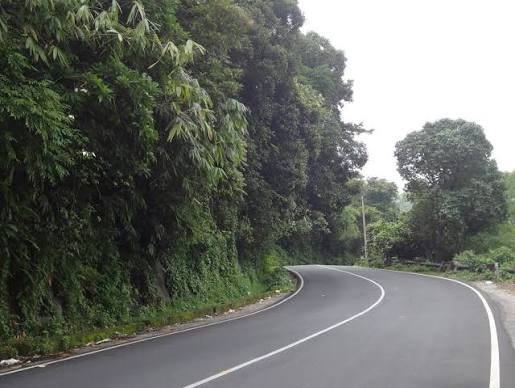
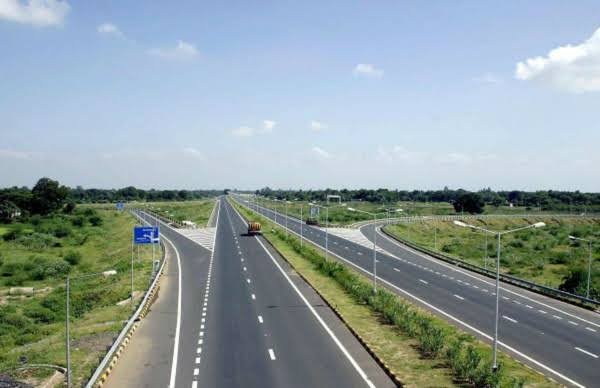
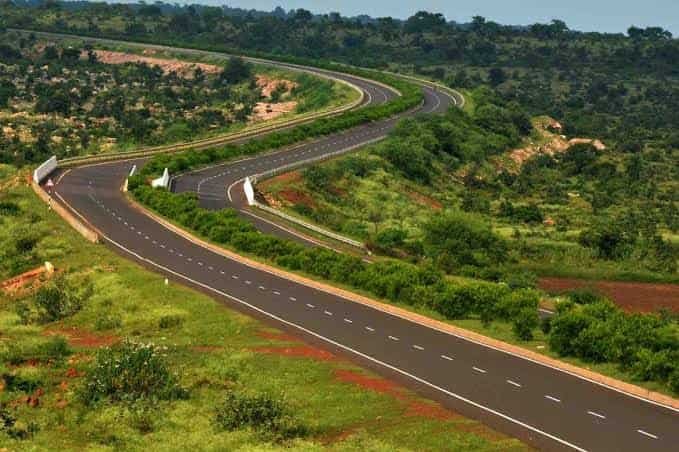
Described by Chief Minister Yogi Adityanath as “the spine of the economy of eastern Uttar Pradesh,” the Purvanchal Expressway has fundamentally reshaped travel across one of India’s most densely populated regions. Stretching 340.8 km from Lucknow to Ghazipur, this six-lane expressway has cut a once-brutal 12-hour journey down to roughly 5.5-6 hours, connecting nine districts and giving eastern UP genuinely fast access to the state capital for the first time.
Here’s the complete, current picture of this expressway’s route, toll structure, and the notable feature that sets it apart from every other expressway in this series.
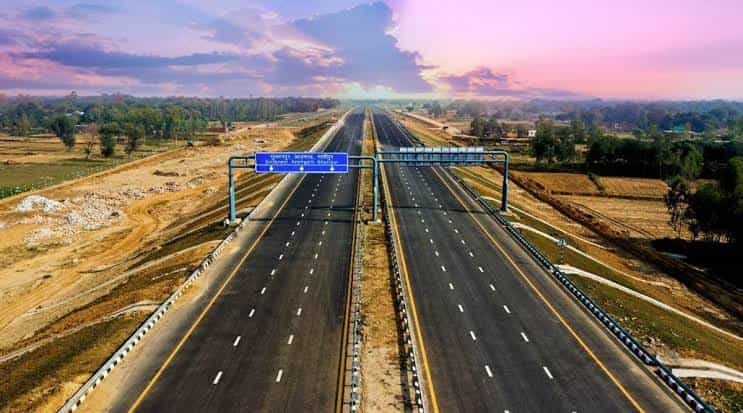
Purvanchal Expressway Quick Facts
| Detail | Information |
| Starting point | Chand Sarai village, Lucknow district (NH-56) |
| Ending point | Haidaria village, Ghazipur district (NH-19/NH-31) |
| Total length | 340.8 km |
| Lanes | 6-lane, expandable to 8 |
| Districts covered | 9 |
| Maintained by | UP Expressways Industrial Development Authority (UPEIDA) |
| Design speed | 120 km/h |
| Speed limit | 100 km/h (cars), 80 km/h (trucks and buses) |
| Inaugurated | November 16, 2021, by PM Narendra Modi |
| Distinctive feature | 3.2-km emergency airstrip at Sultanpur |
Where the Expressway Begins and Ends
Purvanchal Expressway starts at Chand Sarai village near Gosainganj in Lucknow district, on the Lucknow-Sultanpur Road, and runs east to Haidaria village in Ghazipur district, just 18 km short of the Uttar Pradesh-Bihar border. This positions the expressway as a critical link not just within UP but as a gateway corridor toward Bihar as well, given its proximity to that border.
Key points on the route:
- Connects Lucknow, the state capital, directly to Ghazipur in eastern UP
- Passes through 9 districts: Lucknow, Barabanki, Amethi, Sultanpur, Ayodhya, Ambedkar Nagar, Azamgarh, Mau, and Ghazipur
- Reduces Lucknow-Ghazipur travel time from roughly 12 hours to 5.5-6 hours
- Links to Delhi via the Agra-Lucknow Expressway and Lucknow Ring Road
- Connects to Bihar via NH-31 at its eastern end
The Route Through Eastern Uttar Pradesh
Leaving Lucknow, the expressway passes through Barabanki before reaching Amethi and Sultanpur, then continues through the Ayodhya region — offering direct, fast access to one of India’s most significant pilgrimage destinations. From here, the route continues through Ambedkar Nagar, Azamgarh, and Mau before reaching its terminus near Ghazipur.
Districts and what they connect to:
- Lucknow — state capital, western terminus
- Barabanki — first major district crossed heading east
- Amethi and Sultanpur — central UP districts, home to the emergency airstrip
- Ayodhya — major pilgrimage destination, journey from Lucknow takes under 3 hours
- Ambedkar Nagar, Azamgarh, Mau — eastern UP’s core districts
- Ghazipur — eastern terminus, gateway toward Bihar
The Sultanpur Emergency Airstrip: A Genuinely Unique Feature
This is one of the most distinctive features of any Indian expressway, and it’s worth understanding properly. Purvanchal Expressway includes a 3.2-km emergency airstrip at Akhalkiri Karwat in Sultanpur, specifically built to allow the Indian Air Force to conduct emergency landings and takeoffs on the expressway itself during defence exercises or genuine emergencies.
Why this matters:
- Demonstrates the expressway’s dual-use design — civilian transport and defence readiness combined
- The IAF has conducted actual landing exercises on this stretch since the expressway opened
- This feature reflects a broader pattern seen on some of India’s newer expressways, where strategic infrastructure needs are built directly into civilian road projects
Connectivity to Other Major Cities
Beyond its direct Lucknow-Ghazipur route, Purvanchal Expressway functions as a hub connecting to several other important UP destinations through link roads and intersecting highways.
Key connections:
- Varanasi — accessible via the NH-31 link near Ghazipur
- Gorakhpur — connected via the Gorakhpur Link Expressway, completed in June 2025, which joins Purvanchal Expressway at Azamgarh
- Delhi — reachable via the Agra-Lucknow Expressway and Lucknow Ring Road
- Bihar (Buxar, Arrah, Patna) — planned direct connection via the 17-km Buxar-Ghazipur Elevated Road (Bharauli to Haydaria) once complete, linking with NH-922
Toll Rates: What You’ll Actually Pay
Toll on Purvanchal Expressway is collected at designated plazas along the route, with rates varying by vehicle category.
Current toll structure (2026):
- Base rate: approximately ₹2.15/km with a 25% discount applied
- Full single journey (car, Lucknow to Ghazipur): approximately ₹675-700
- Six toll plazas positioned along the full route
- FASTag accepted and recommended at all plazas; cash payment also available
- FASTag provides faster transit and is mandatory for most vehicle categories per NHAI guidelines
Infrastructure and Safety Features
Purvanchal Expressway was built with substantial supporting infrastructure to manage both traffic flow and safety across its length.
Built infrastructure includes:
- 22 flyovers
- 7 railway-over-bridges
- 7 major bridges
- 104 minor bridges
- 27 vehicular underpasses
- 271 small vehicular underpasses
- 13 interchanges connecting key districts along the route
- 2-km emergency airstrip at Sultanpur
Economic and Regional Impact
Beyond its transport function, the expressway has been positioned as a genuine economic catalyst for eastern UP, a region that historically lagged behind western UP and the NCR in infrastructure investment.
Key impacts:
- Five industrial corridors planned alongside the expressway route
- Land acquisition and bainama (sale deed) processes actively underway in districts like Ghazipur, with 83.89% of proposed land acquired for the Ghazipur Integrated Manufacturing and Logistics Cluster (IMLC) as of recent updates
- Boosted real estate interest near authorized entry-exit points and district nodes
- Improved access to religious tourism sites, particularly Ayodhya, supporting both pilgrimage travel and connected real estate growth
- Positioned as eastern UP’s primary economic backbone connecting district-level markets to Lucknow and beyond
FAQs
Q1. How much toll should I expect for a full Lucknow-to-Ghazipur trip by car?
Based on current 2026 rates, expect approximately ₹675-700 for the complete 340.8-km journey, calculated at roughly ₹2.15/km with an applied discount. Exact amounts can vary slightly by specific entry and exit points.
Q2. Can I use this expressway to reach Varanasi or Gorakhpur directly?
Yes — Varanasi is accessible via the NH-31 link near the Ghazipur end, while Gorakhpur connects through the dedicated Gorakhpur Link Expressway, which joins Purvanchal Expressway at Azamgarh and became operational in June 2025.
Q3. Is the emergency airstrip section open to regular traffic, or restricted?
The 3.2-km stretch at Sultanpur functions as a normal part of the expressway for everyday traffic, but it’s specifically engineered to convert into a usable airstrip for Indian Air Force emergency landing exercises when required. You won’t notice a difference during regular driving.
Q4. How does this expressway improve travel toward Bihar?
Currently, NH-31 near Ghazipur provides connectivity toward Bihar. A more direct link is planned through the 17-km Buxar-Ghazipur Elevated Road connecting to NH-922, which will provide more seamless access to Buxar, Arrah, and Patna once fully complete.