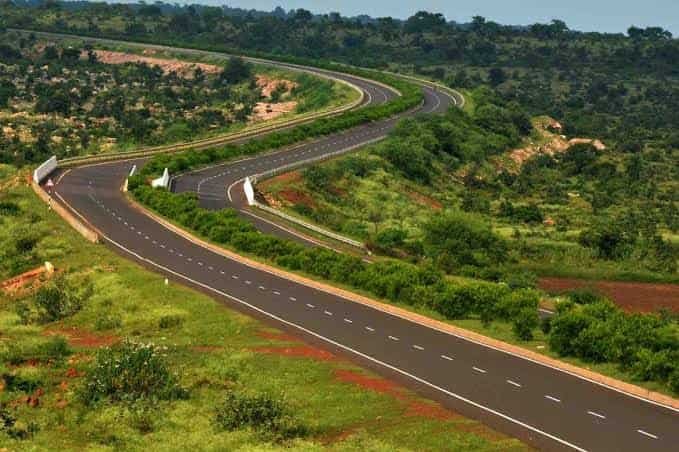
Widely known as the Bengaluru-Mangaluru highway, NH 75 is one of Karnataka’s most travelled and most talked-about routes — connecting the state’s tech capital to its major western port city through the dramatic Shiradi Ghat section of the Western Ghats. Technically, the full highway extends beyond Bengaluru all the way to Vellore in Tamil Nadu, spanning roughly 567 km total, but the Mangaluru-to-Bengaluru stretch is what most travellers and businesses actually mean when they reference this corridor.
NH 75 Quick Facts
| Detail | Information |
| Starting point | Near Bantwal, close to Mangaluru, Karnataka |
| Bengaluru-Mangaluru stretch length | Approximately 350-370 km |
| Full highway length (to Vellore, TN) | Approximately 567 km |
| States covered (full route) | Karnataka, Andhra Pradesh, Tamil Nadu |
| Former name | Part of old NH 48 |
| Maintained by | National Highways Authority of India (NHAI) |
| Key challenge | Shiradi Ghat section — under active four-lane upgrade |
| Major towns linked | Sakleshpur, Hassan, Channarayapatna, Kunigal |
| Speed limit | 100 km/h theoretical maximum; much lower through ghat sections |
Where the Bengaluru-Mangaluru Stretch Sits Within NH 75
NH 75 technically begins near Bantwal in Karnataka, close to Mangaluru, and heads east through the Western Ghats and Bengaluru before continuing into Andhra Pradesh and finally Tamil Nadu, ending near Vellore. For most practical purposes, though, the “Bengaluru-Mangaluru highway” refers to the western portion of this route — the stretch most people actually drive when moving between Karnataka’s coastal region and its capital.
This highway was previously designated NH 48 before the 2010 renumbering, and it remains the primary road connection for travellers heading between Mangaluru and Bengaluru or Hassan.
The Route Through the Western Ghats
Leaving the Mangaluru area near Bantwal, NH 75 passes through Uppinangady before entering the Shiradi Ghat — the defining, most-discussed section of this entire highway. Continuing east through the ghat, the route reaches Sakleshpur and Hassan, a town known for its proximity to the Hoysala temple sites at Belur and Halebeedu.
From Hassan, NH 75 continues through Channarayapatna, Yediyur, and Kunigal before reaching Nelamangala and entering Bengaluru. Beyond Bengaluru, the highway continues east through Kolar and eventually crosses into Andhra Pradesh briefly before entering Tamil Nadu and reaching its actual terminus at Vellore.
The Shiradi Ghat: This Highway’s Central Story
If there’s one thing worth understanding thoroughly about NH 75, it’s the Shiradi Ghat section — a genuinely challenging stretch through the Western Ghats that has been the subject of extended infrastructure attention for years. This section has historically been prone to becoming nearly unusable during monsoon season, with landslides and road deterioration causing repeated closures, including a notable five-month complete shutdown in 2018 for concreting work.
More recently, the government has committed to a genuine four-lane upgrade of the critical Maranahalli-to-Addahole stretch, initially approved at around ₹1,200 crore and later expanded, with bids invited for a broader ₹1,976 crore widening project. A proposal to build a tunnel through this section was studied but ultimately dropped in favor of the surface four-laning approach, given the tunnel’s substantially higher projected cost of roughly ₹15,000 crore.
For anyone planning to drive this route, the practical takeaway is this: the Shiradi Ghat stretch has genuinely been under active construction and upgrade work for years, and checking current status before travel — particularly during monsoon season — is essential rather than optional.
Why This Corridor Matters So Much
The Bengaluru-Mangaluru connection carries outsized economic importance for Karnataka. Mangaluru’s port handles substantial import-export trade, while Bengaluru serves as the state’s administrative and technology capital. NH 75 is the primary overland link between these two economic centres, meaning disruptions on the Shiradi Ghat stretch don’t just inconvenience individual travellers — they genuinely affect logistics costs and supply chain reliability for businesses depending on this corridor.
This is precisely why infrastructure investment in this section has remained a priority across successive state and central governments, even as the project has evolved from tunnel proposals to the current four-laning approach.
Hassan and the Hoysala Heritage Stop
Beyond its role as a commercial corridor, this stretch of NH 75 offers genuine heritage value. Hassan sits close to Belur and Halebeedu, both renowned for intricately carved Hoysala-era temples. Many travellers making the Bengaluru-Mangaluru journey build in time for this detour, given how directly accessible these sites are from the highway route.
Road Conditions: What to Expect Today
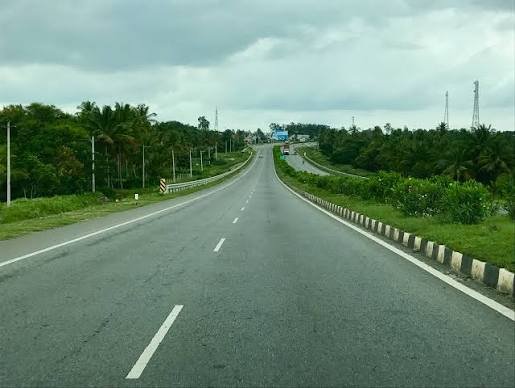
Outside the Shiradi Ghat, much of NH 75 offers reasonably smooth, well-trafficked highway conditions, particularly the stretch approaching Bengaluru through Nelamangala. Within the ghat section itself, expect a genuine mix of upgraded and still-under-construction portions depending on current project status — this isn’t a stretch where you should assume uniform four-lane conditions even with ongoing widening work.
Speed Limits and Practical Notes
Standard national highway limits technically allow up to 100 km/h for cars, but through the Shiradi Ghat specifically, actual safe speeds run considerably lower given the terrain, construction activity, and historical landslide risk. During periods of heavy rainfall, authorities have in the past imposed specific reduced speed limits (as low as 30 km/h) and vehicle-type restrictions on this stretch — always check current advisories rather than assuming standard highway conditions apply.
Challan Rules on NH 75
Standard Motor Vehicles Act penalties apply throughout, since the Bengaluru-Mangaluru stretch sits entirely within Karnataka, with overspeeding fines typically in the ₹1,000-₹4,000 range depending on vehicle category. Given the Shiradi Ghat’s history of weather-related restrictions, local enforcement in this specific stretch often focuses heavily on compliance with temporary vehicle-type bans and reduced speed orders during monsoon season, beyond standard speed monitoring elsewhere on the route.
FAQs
Q1. Is the Shiradi Ghat section of NH 75 currently four-lane, or should I expect construction?
As of the most recent updates, the four-laning project for the Maranahalli-Addahole stretch has been approved and is progressing, but expect a mix of completed and still-under-construction portions. Checking current NHAI project status before travel is genuinely worthwhile given this section’s long upgrade timeline.
Q2. Why does this highway sometimes get closed entirely to heavy vehicles?
The Shiradi Ghat stretch has a well-documented history of becoming unsafe or unusable during heavy monsoon rainfall, prompting authorities to impose temporary bans on heavy vehicles or full closures for repair work. This isn’t a rare event — it’s happened multiple times over the years, so building flexibility into monsoon-season travel plans through this section is genuinely important.
Q3. Can I visit Belur and Halebeedu as part of a Bengaluru-Mangaluru road trip?
Yes, and many travellers do exactly this. Hassan, directly on the NH 75 route, sits close to both heritage sites, making a detour relatively convenient without significantly extending your overall journey.
Q4. Does NH 75 actually continue past Bengaluru, or does it end there?
It continues — the full highway extends through Kolar, briefly into Andhra Pradesh, and finally into Tamil Nadu, terminating near Vellore. Most people referring to “the Bengaluru-Mangaluru highway” mean the western portion specifically, but the official NH 75 designation covers considerably more distance.