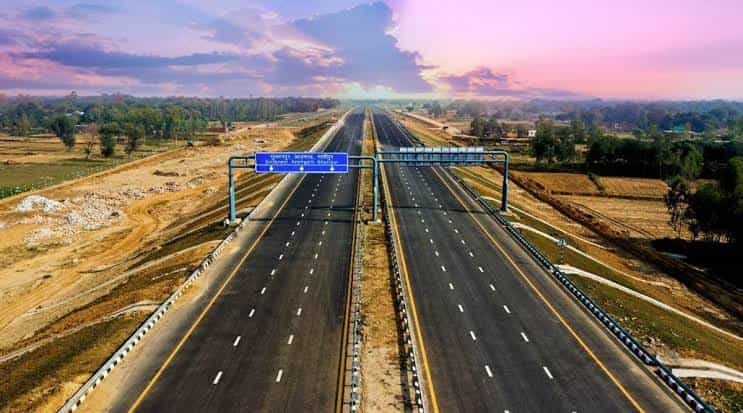
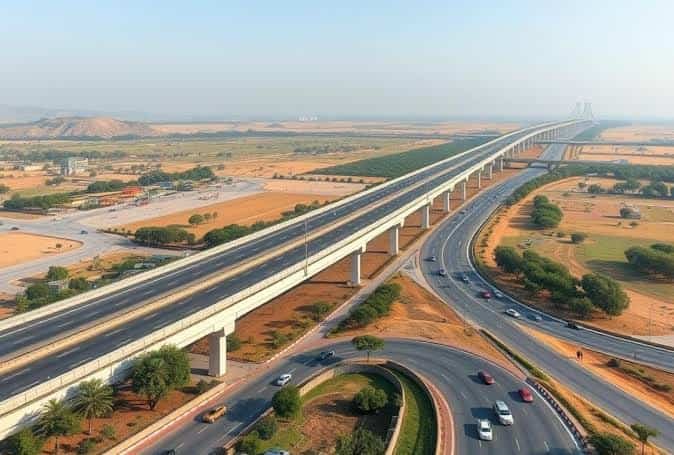
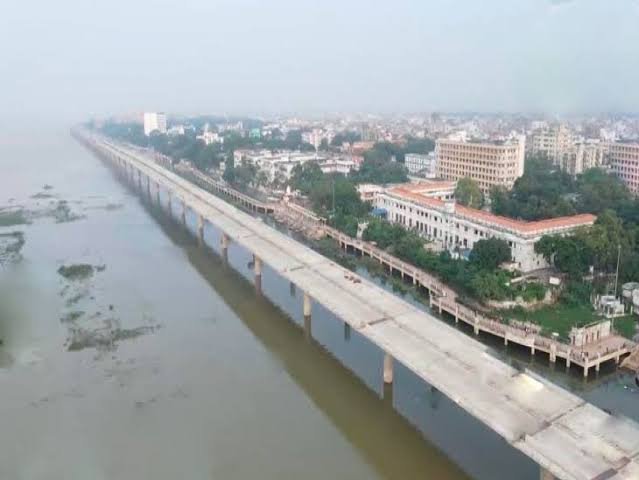
Short in distance but critical in function, NH 306 covers roughly 90 km connecting Silchar in Assam’s Barak Valley to Kolasib in Mizoram. Despite its modest length, this highway serves as Mizoram’s primary supply route and main connection to the rest of India — meaning disruptions here don’t just inconvenience local travellers, they can affect an entire state’s access to essential goods.
Before the route details, an important current safety note: portions of this highway have faced serious, well-documented road quality concerns in recent months, including a threatened trucker blockade in October 2025 over dangerous conditions. Anyone planning to travel this route should check current status closely rather than assuming standard highway conditions throughout.
NH 306 Quick Facts
| Detail | Information |
| Starting point | Silchar, Assam (junction with NH 37) |
| Ending point | Kolasib, Mizoram |
| Total length | Approximately 90-112 km (sources vary) |
| States covered | 2 — Assam, Mizoram |
| Former name | Old NH 54 |
| Also referenced as | NH 6 (in parts, given route overlap) |
| Maintained by | National Highways and Infrastructure Development Corporation Limited (NHIDCL) |
| Strategic role | Part of the East-West Corridor under NHDP |
| Function | Mizoram’s primary supply route to the rest of India |
| Speed limit | 100 km/h theoretical maximum; considerably lower given current road conditions |
Where NH 306 Begins and Ends
NH 306 starts in Silchar, Assam, at its junction with NH 37, and runs generally southward through Lumding before crossing into Mizoram and reaching Kolasib. Given how central this corridor is to Mizoram’s connectivity, it’s worth understanding that NH 306 essentially functions as the gateway between the state and the rest of the country — most goods, supplies, and passenger traffic destined for Mizoram from the broader national highway network pass through this exact stretch.
The 90-km segment between Kolasib and Silchar has been specifically selected as part of the East-West Corridor under the National Highways Development Project, reflecting its recognized national importance despite its relatively short length.
Why This Highway Matters So Much for Mizoram
This is genuinely worth understanding in full: NH 306 is Mizoram’s main supply route, connecting the state’s capital region, via onward roads, to Silchar and the broader Indian highway network. This isn’t simply one route among several options — for many categories of goods and supplies, it’s the primary practical corridor into the state. That gives this comparatively short highway outsized economic and logistical significance relative to its length.
Current Road Conditions: A Genuine Concern Worth Understanding
This deserves direct, unambiguous attention rather than a passing mention. As of October 2025, commercial vehicle operators and truckers in Kolasib planned a multi-day blockade specifically over dangerous conditions on the Sairang-Vairengte and Kolasib-Bairabi stretches of this highway. According to reports, these sections had become genuinely perilous for heavy vehicles despite repair work carried out earlier in the year, with multiple vehicles reportedly meeting accidents and suffering damage due to poor road conditions.
Local transport associations specifically criticized the pace of repair work as too slow, warning that at the rate progress was moving, completion might not happen before the next monsoon season — raising further concerns about the road deteriorating again before repairs could even be finished. Transport operators also raised concerns about NHIDCL’s prioritization of Mizoram’s highway infrastructure compared to other regions under its jurisdiction.
Given this documented history, anyone planning to travel NH 306 — whether for commercial freight or personal travel — should check current road status through NHIDCL and Mizoram state government channels immediately before departure, rather than relying on general route information. Conditions on specific stretches can change, and given the pattern of slow repair work reported, delays and hazardous sections remain a realistic possibility.
The Route Through Assam and Mizoram
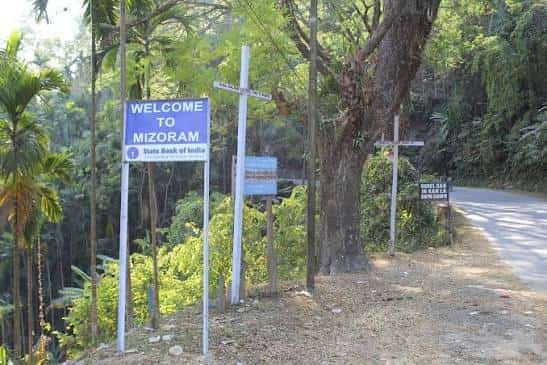
From Silchar, the highway heads toward Lumding before continuing south. Once in Mizoram, the route passes through Vairengte and Bairabi before reaching Kolasib. This Mizoram stretch specifically — Sairang-Vairengte and Kolasib-Bairabi — has been the focus of the most significant recent road condition concerns, making this the section travellers should approach with particular caution and updated information.
Overlap with NH 6
Given historical numbering changes in this region, portions of NH 306 are sometimes referenced as NH 6, since NH 6 continues from this same corridor onward through Kolasib toward Aizawl, Champhai, and eventually the India-Myanmar border at Zokhawthar. This overlap in naming can cause some confusion when researching the route, but for the specific Silchar-to-Kolasib stretch, NH 306 is the more precise and currently accurate designation.
Road Conditions and What Travellers Should Expect
Given the documented issues on specific stretches, expect variable conditions rather than assuming a uniformly smooth highway experience. Sections that have undergone recent repair may still show wear given the pace and quality concerns raised by local transport operators, while other portions may be in genuinely poor condition pending further work. Heavy vehicles in particular have been specifically flagged as facing elevated risk on the most problematic stretches.
Speed Limits and Safety Notes
Standard national highway limits technically allow up to 100 km/h for cars, but given the current, documented road quality concerns on key stretches, treating this as a considerably more cautious drive is the responsible approach regardless of posted limits. Reduced speeds, careful attention to road surface conditions, and flexibility in travel timing all matter more here than they would on a highway with a cleaner recent safety record.
Challan Rules on NH 306
Standard Motor Vehicles Act penalties apply across both Assam and Mizoram, with overspeeding fines typically in the ₹1,000-₹4,000 range depending on vehicle category. Given the current road condition concerns, though, the more pressing practical consideration for most travellers isn’t formal traffic enforcement — it’s basic vehicle safety and route planning given the genuine hazards reported on specific stretches.
FAQs
Q1. Is NH 306 currently safe to drive, especially for heavy vehicles?
Specific stretches, particularly Sairang-Vairengte and Kolasib-Bairabi, have faced documented safety concerns as recently as late 2025, with local transport operators reporting accidents linked to poor road conditions. Check current status through NHIDCL and Mizoram administration channels before travel, especially if operating a commercial or heavy vehicle.
Q2. Why is this highway so important if it’s only around 90-112 km long?
Despite its modest length, NH 306 functions as Mizoram’s primary supply route connecting the state to the broader national highway network via Silchar. Its short length doesn’t reflect its outsized practical importance for the state’s overall connectivity and goods movement.
Q3. Why do I sometimes see this route referred to as NH 6 instead of NH 306?
The two highways overlap in this region given how the broader corridor connecting Silchar through Mizoram toward the Myanmar border has been designated. For the specific Silchar-to-Kolasib stretch, NH 306 is the more accurate current reference, though NH 6 continues onward from roughly the same area toward Aizawl and beyond.
Q4. What should I do if repair work is still ongoing when I plan to travel this route?
Build significant flexibility into your travel timing, and consider checking with local transport associations or state administration for the most current, ground-level status rather than relying solely on official project timelines, which have historically run behind schedule on this corridor.