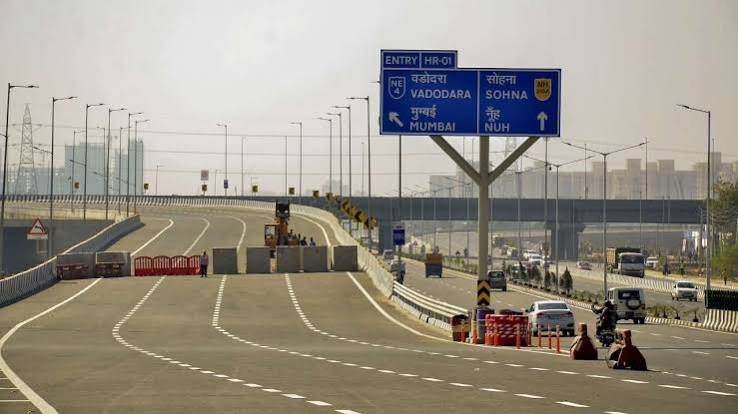
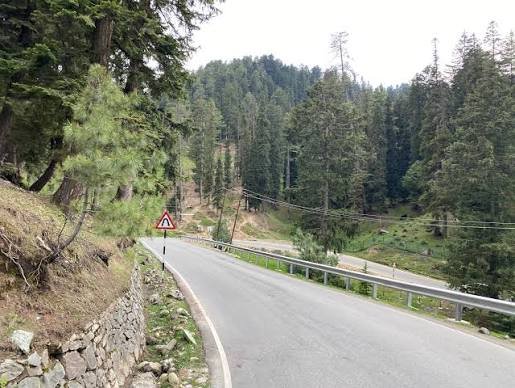
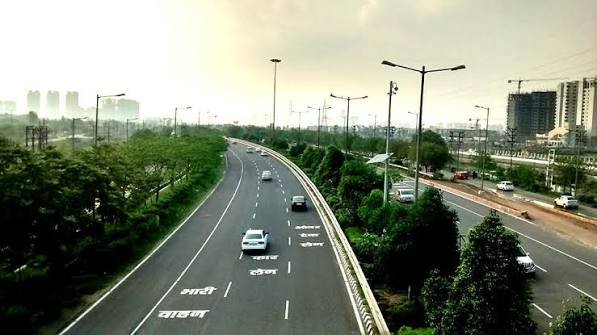
Running entirely within Tamil Nadu, NH 83 covers roughly 389 km connecting Coimbatore’s industrial and textile economy in the west to Nagapattinam’s coastal port on the Bay of Bengal in the east. This is a genuinely diverse corridor — cutting through agricultural belts, temple towns, and one of India’s most historically significant delta regions before reaching the coast.
NH 83 Quick Facts
| Detail | Information |
| Starting point | Coimbatore, Tamil Nadu |
| Ending point | Nagapattinam, Tamil Nadu |
| Total length | Approximately 389 km |
| States covered | 1 — entirely within Tamil Nadu |
| Direction | East-west |
| Maintained by | National Highways Authority of India (NHAI) |
| Major towns linked | Pollachi, Palani, Dindigul, Tiruchirappalli, Thanjavur |
| Development status | Mixed — some stretches four-lane, others being upgraded to two-lane with paved shoulders |
| Speed limit | 100 km/h (cars) on developed stretches; lower through rural and semi-urban sections |
Where NH 83 Begins and Ends
NH 83 starts at Coimbatore, one of Tamil Nadu’s most significant industrial cities known for textiles and manufacturing, and runs east across the state, terminating at Nagapattinam — a coastal town on the Bay of Bengal that serves as both a fishing centre and an important port. Given that this entire highway sits within a single state, it functions as a genuinely internal Tamil Nadu corridor connecting the state’s western industrial base to its eastern coastal and agricultural regions.
The Route Across Tamil Nadu
Leaving Coimbatore, NH 83 passes through Pollachi and Udumalpet before reaching Palani — home to the significant Murugan temple, one of the six major abodes of the deity and a major pilgrimage destination that draws substantial religious tourism traffic onto this stretch.
Continuing east, the highway runs through Oddanchatram and reaches Dindigul, a district known for its lock manufacturing industry and biryani. From Dindigul, NH 83 continues through Tiruchirappalli (Trichy), one of Tamil Nadu’s major cities, before reaching Thanjavur — the historic seat of Chola dynasty architecture, home to the UNESCO World Heritage Brihadeeswarar Temple.
From Thanjavur, the highway continues through Needamangalam and Thiruvarur before reaching its terminus at Nagapattinam on the coast.
Palani and Thanjavur: A Highway Rich in Heritage
This corridor is genuinely distinctive for the density of significant religious and historical sites it passes through. Palani’s Murugan temple draws pilgrims year-round, with particular surges during festival periods. Thanjavur’s Brihadeeswarar Temple, a UNESCO World Heritage Site and masterpiece of Chola-era architecture, sits directly on the route as well. This gives NH 83 a meaningful heritage tourism dimension beyond its role as a commercial and agricultural corridor.
Ongoing Four-Laning and Upgrade Work
NH 83 has seen phased infrastructure investment over the years, though development remains uneven across the route. The Pollachi-to-Dindigul stretch received approval for four-laning back in 2018, and more recent work has continued this modernization — including the four-laning of the Kamalapuram-Oddanchatram section, spanning roughly 36.5 km, aimed at strengthening connectivity across agricultural, industrial, and tourism regions while improving access to destinations like Palani and Kodaikanal.
Meanwhile, the eastern stretch between Thanjavur, Thiruvarur, and Nagapattinam has been undergoing upgrade to two-lane with paved shoulders rather than full four-laning, reflecting lower traffic density on this coastal-approach section compared to the busier western portions of the highway.
Why This Highway Matters Economically
NH 83 connects some of Tamil Nadu’s most economically significant regions — Coimbatore’s textile and engineering industries, Dindigul’s manufacturing base, Tiruchirappalli’s commercial activity, and finally Nagapattinam’s port and fishing economy. This breadth makes the highway genuinely valuable for moving both industrial goods westward and agricultural produce from the fertile delta region toward inland markets.
Real estate along the corridor has responded to this connectivity as well — localities in Coimbatore like Saravanampatti and Singanallur have seen notable property price appreciation, while areas in Pollachi such as Mahalingapuram have benefited from improved access.
Road Conditions: What to Actually Expect
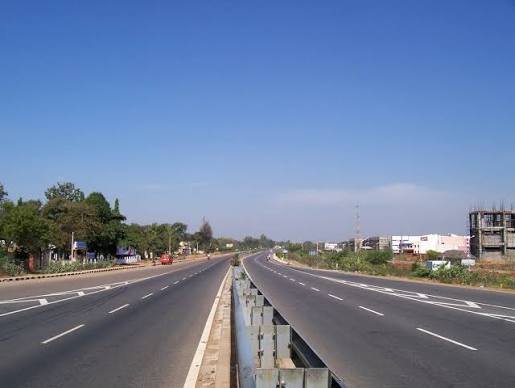
Given the highway’s mixed development status, expect meaningfully different conditions depending on which stretch you’re driving. The Coimbatore-to-Dindigul portion, having received earlier four-laning investment, generally offers smoother, more modern highway conditions. The Dindigul-to-Thanjavur stretch through Tiruchirappalli is well-trafficked and reasonably maintained given the cities it connects. The final approach to Nagapattinam, being upgraded to a more modest two-lane-with-paved-shoulders standard, may involve narrower conditions compared to the western half of the route.
Speed Limits on NH 83
Standard national highway limits apply on developed stretches — up to 100 km/h for cars on open sections. Given the highway’s mix of four-lane and narrower two-lane portions, actual achievable speeds vary considerably by segment, and the pilgrimage traffic around Palani in particular can slow travel meaningfully during festival periods regardless of road width.
Challan Rules on NH 83
Standard Motor Vehicles Act penalties apply throughout, since the highway runs entirely within Tamil Nadu, with overspeeding fines typically in the ₹1,000-₹4,000 range depending on vehicle category. Given the route’s mix of urban, semi-urban, and rural stretches, local enforcement attention often concentrates around the busier town-centre sections — particularly Dindigul, Tiruchirappalli, and Thanjavur — rather than being evenly distributed across the entire corridor.
FAQs
Q1. Which stretch of NH 83 currently offers the best driving conditions?
The Coimbatore-to-Dindigul portion, given its earlier four-laning investment, generally provides the smoothest and most consistent driving experience compared to the narrower eastern stretch toward Nagapattinam.
Q2. Is NH 83 a good route for visiting Palani and Thanjavur together?
Yes — both sit directly on the highway, making a combined pilgrimage and heritage trip genuinely practical without significant detours. Just build in extra time around Palani specifically if your travel dates coincide with major temple festivals.
Q3. Why does the Thanjavur-to-Nagapattinam stretch remain two-lane while the western portion is four-lane?
This reflects differences in traffic density and priority ordering for infrastructure investment. The Coimbatore-Dindigul corridor carries heavier industrial and commercial traffic, which drove earlier four-laning approval, while the coastal approach toward Nagapattinam has instead received a paved-shoulder upgrade suited to its comparatively lower traffic volume.
Q4. Does NH 83 provide good access to Kodaikanal for hill station travellers?
Yes, indirectly — the Kamalapuram-Oddanchatram four-laning project specifically cited improved connectivity to Kodaikanal as one of its benefits, since this stretch of NH 83 serves as a practical approach route before connecting to roads leading up to the hill station.