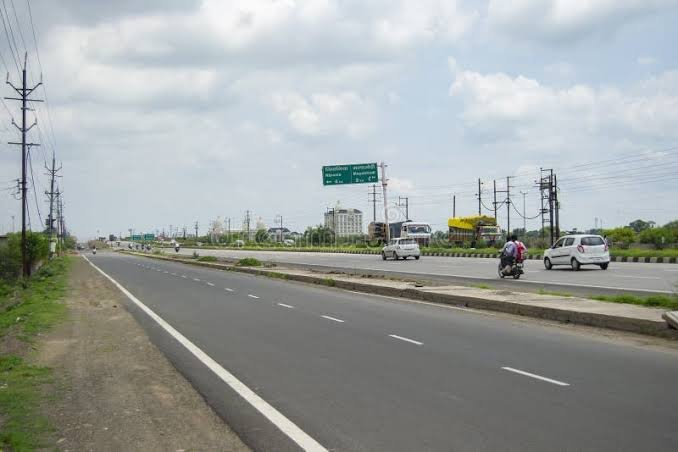
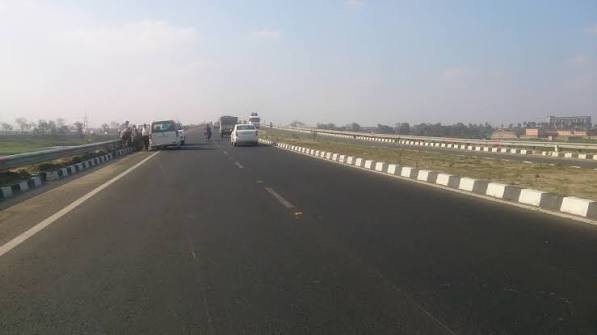
Few highways in India generate as much genuine controversy as NH 766. Running 272 km from Kozhikode in Kerala to Kollegal in Karnataka via Mysore, this route slices directly through the core of Bandipur Tiger Reserve — one of India’s most critical wildlife corridors — making it the subject of a long-running conflict between conservationists demanding closure and residents who depend on it as their only reliable lifeline route.
NH 766 Quick Facts
| Detail | Information |
| Starting point | Kozhikode, Kerala |
| Ending point | Kollegal, Chamarajanagar district, Karnataka |
| Total length | Approximately 272 km |
| State-wise split | Kerala: 117 km, Karnataka: 155 km |
| Former name | NH 212 |
| Maintained by | National Highways Authority of India (NHAI) |
| Major towns linked | Thamarassery, Kalpetta, Sulthan Bathery, Gundlupet, Mysore |
| Protected areas crossed | Bandipur National Park (19.7 km), Wayanad Wildlife Sanctuary |
| Night restriction | Closed 9 PM-6 AM through Bandipur; closed to two-wheelers from 6 PM |
| Scenic stretch | Thamarassery Churam — nine hairpin bends between Lakkidi and Adivaram |
Where NH 766 Begins and Ends
NH 766 starts at Kozhikode on Kerala’s coast and runs east through Wayanad’s hill terrain into Karnataka, passing through Mysore before terminating at Kollegal in Chamarajanagar district, where it connects to NH 948, linking further to Bengaluru and Coimbatore. This corridor connects Kerala’s Malabar coast to Karnataka’s interior through one of the most ecologically sensitive stretches of road in South India.
The Route Through Wayanad and Bandipur
Leaving Kozhikode, NH 766 climbs through Thamarassery before entering Wayanad district via Kalpetta and reaching Sulthan Bathery, the last major Kerala town before the Karnataka border. This stretch includes Thamarassery Churam, a hill highway section between Lakkidi and Adivaram famous for its nine hairpin bends and genuinely scenic mountain views — a popular section for photography and slower, appreciative driving despite its demanding curves.
Crossing into Karnataka, the highway continues through Gundlupet, where it bifurcates — NH 766 continues toward Mysore and Kollegal, while a separate highway, NH 67, branches off toward Ooty in Tamil Nadu. From Gundlupet, NH 766 passes directly through Bandipur National Park before reaching Mysore and finally Kollegal.
The Bandipur Controversy: What’s Actually at Stake
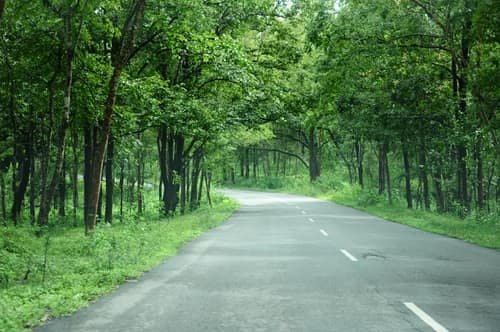
This is genuinely the defining issue surrounding this highway, and it’s worth understanding both sides clearly. Roughly 19.7 km of NH 766 cuts directly through the core zone of Bandipur Tiger Reserve, a critical habitat and migration corridor for tigers and elephants, home to over 140 tigers and 1,500 elephants as part of a larger protected landscape spanning Karnataka, Tamil Nadu, and Kerala. Wildlife experts and conservationists have long argued that this “linear intrusion” through the reserve’s core is a serious stressor on wildlife, contributing to human-animal conflict, roadkill, and disruption of natural movement patterns.
In response, Karnataka authorities imposed a night traffic ban through the Bandipur stretch, closing the road from 9 PM to 6 AM, with two-wheelers barred from 6 PM onward — restrictions specifically designed to reduce wildlife disturbance during the hours animals are most active.
Why Closing the Highway Isn’t a Simple Solution
The other side of this debate is equally real and important to understand. For residents of Wayanad, particularly around Sulthan Bathery, NH 766 isn’t a discretionary route — it’s often described as their only practical access to essential services. Wayanad has no rail network, and Mysore offers significantly better hospital and educational access than Kozhikode for many residents given the terrain and distance involved. During the severe floods of 2018 and 2019, when most other ghat roads closed entirely, NH 766 remained the only accessible route in and out of the region for many communities.
An alternative bypass route exists but is roughly 35 km longer and completely bypasses Sulthan Bathery, Gundlupet, and Nanjangud — towns whose economies depend significantly on the traffic and trade this highway currently generates, which is precisely why proposals to reroute traffic around Bandipur entirely have faced sustained local opposition despite the genuine conservation concerns driving them.
The Wayanad Tunnel: A Potential Long-Term Solution
NHAI has been exploring the Wayanad Tunnel as a potential bypass specifically for the Thamarassery Ghat section of NH 766, with detailed project reports under study for realigning the Kunnamangalam-to-Kalpetta stretch via a connecting state highway. This remains a longer-term infrastructure proposal rather than a completed or currently operational solution, so travellers should continue to expect the existing ghat route for the foreseeable future.
Road Conditions Along the Route
Given the highway’s mixed terrain and ecological sensitivity, expect meaningfully different conditions by stretch. The Kozhikode-to-Thamarassery portion is generally well-trafficked and maintained. The Thamarassery Churam hairpin section demands careful, unhurried driving regardless of your overall schedule. The Bandipur forest stretch requires strict adherence to the nighttime closure and reduced daytime speeds given wildlife presence. Beyond Gundlupet toward Mysore and Kollegal, conditions generally return to standard highway driving through more open terrain.
Speed Limits and Wildlife Safety
Standard national highway limits technically apply on open stretches, but through the Bandipur forest section specifically, significantly reduced speeds are both required and genuinely necessary given the real risk of wildlife encounters — the rise in vehicle traffic on this stretch has historically been linked to wildlife deaths from speeding traffic, even with existing restrictions in place. Kerala’s general speed limits for the state portion cap light-duty trucks at 80 km/h and heavy-duty vehicles at 60 km/h.
Challan Rules and the Night Ban
Standard Motor Vehicles Act penalties apply across both Kerala and Karnataka. However, the more consequential compliance issue on this specific highway is the Bandipur night traffic ban — violating this restriction isn’t treated as routine speeding, given its basis in wildlife protection regulations, and enforcement here is generally firm given the ongoing sensitivity around this stretch.
FAQs
Q1. Can I drive through Bandipur National Park at night if I’m in a hurry?
No — the stretch through Bandipur is closed to all traffic from 9 PM to 6 AM, with two-wheelers additionally barred from 6 PM. This restriction is strictly enforced given its wildlife conservation basis, so plan your journey to avoid needing this stretch during those hours.
Q2. Is there really an alternative route that avoids Bandipur entirely?
Yes, but it’s roughly 35 km longer and bypasses Sulthan Bathery, Gundlupet, and Nanjangud completely — towns that depend economically on NH 766’s current traffic. Most travellers still use the existing route through Bandipur given the significant added distance and disruption the alternative represents.
Q3. Why do Wayanad residents oppose closing or rerouting this highway despite the wildlife concerns?
For many communities, this is their only reliable route to essential hospitals, education, and trade access, given Wayanad’s lack of rail connectivity and the significant distance to alternative hubs like Kozhikode. During major floods, it has served as the sole accessible route when other roads closed entirely.
Q4. Is the Wayanad Tunnel bypass currently available to use?
No — this remains under study and detailed project report development rather than being an operational route. Continue to expect the existing Thamarassery Ghat and Bandipur stretch as your only current option on this corridor.