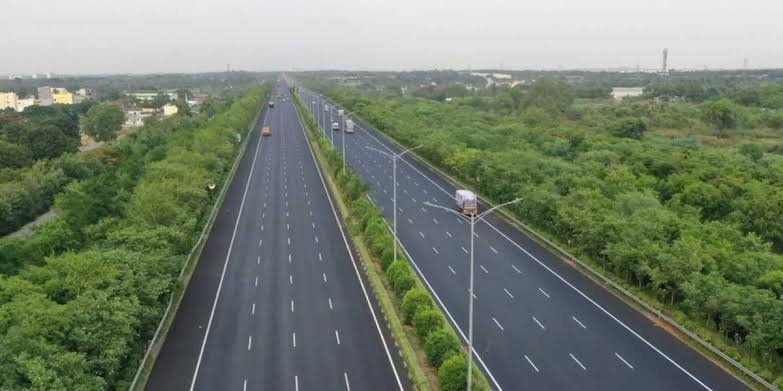
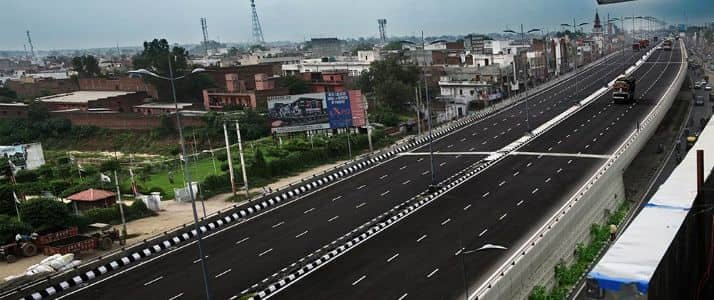
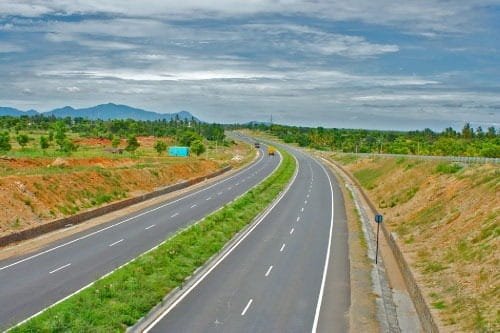
Two of India’s most historically loaded destinations sit almost back-to-back on this highway: Jaipur, the Pink City, and Agra, home to the Taj Mahal — both connected by NH 21 before the route continues on to Bareilly in Uttar Pradesh. Part of the Golden Quadrilateral network, this roughly 465-km stretch is one of the more heavily travelled tourism corridors in northern India, carrying a steady mix of heritage tourists, pilgrims, and interstate commercial traffic.
Here’s the complete, accurate breakdown of NH 21’s route, length, and current road rules.
NH 21 Quick Facts
| Detail | Information |
| Starting point | Jaipur, Rajasthan (Patrika Chowk, junction with NH 48) |
| Ending point | Bareilly, Uttar Pradesh (Lalpur Chauraha, junction with NH 30) |
| Total length | Approximately 465 km (some sources cite up to 502 km) |
| States covered | 2 — Rajasthan, Uttar Pradesh |
| Former name | Jaipur-Agra section previously known as NH 11 |
| Part of | Golden Quadrilateral network |
| Maintained by | National Highways Authority of India (NHAI) |
| Major cities linked | Dausa, Bharatpur, Agra, Sikandra Rao, Budaun |
| Speed limit | 100 km/h (cars), 90 km/h (larger passenger vehicles), 80 km/h (goods vehicles) |
Where NH 21 Begins and Ends
NH 21 starts at Patrika Chowk in Jaipur, at its junction with NH 48, and terminates at Lalpur Chauraha in Bareilly, meeting NH 30. Along the way, it passes almost directly through Agra roughly at its midpoint, making this highway effectively a two-stage journey: first Jaipur to Agra, then Agra onward to Bareilly, with each half carrying quite different character and traffic patterns.
The Jaipur-to-Agra section in particular predates the current highway numbering system, having previously been designated NH 11 before the 2010 renumbering exercise that reorganized India’s national highway network.
The Route Through Rajasthan and Uttar Pradesh
Leaving Jaipur, NH 21 runs through Dausa before reaching Bharatpur — a town best known for Keoladeo National Park, a UNESCO World Heritage bird sanctuary that draws steady wildlife tourism traffic onto this stretch. From Bharatpur, the highway crosses into Uttar Pradesh and reaches Agra, home to the Taj Mahal and one of India’s most visited tourist destinations globally.
From Agra, NH 21 continues north through Jalesar toward Sikandra Rao, then onward through Kasganj, Ujhani, and Budaun before finally reaching Bareilly. This second half of the route is considerably less tourism-driven and more of a working commercial corridor, connecting smaller Uttar Pradesh towns that depend on this highway for trade and everyday transport.
The Jaipur-to-Agra Stretch: A Heritage Corridor
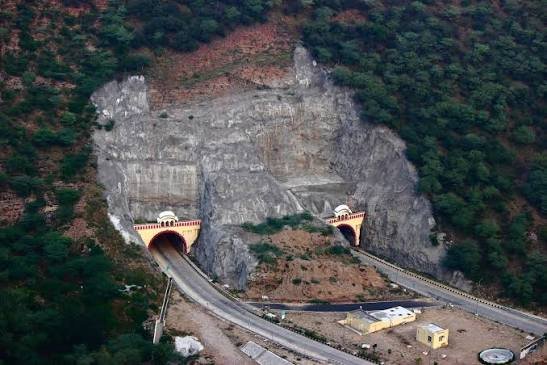
This portion of NH 21 deserves specific mention because it’s genuinely one of the more scenic and historically dense highway stretches in northern India. Along the way, travellers pass Sisodia Rani Garden on Jaipur’s outskirts — an 18th-century Rajput-Mughal style garden built for Queen Sisodia Rani — before the highway winds through the Ghat ki Guni tunnel area and continues toward Bharatpur’s wildlife sanctuary and finally Agra’s Mughal-era monuments.
Given the volume of both domestic and international tourism traffic on this stretch, it tends to be busier and better maintained than the Agra-to-Bareilly portion, reflecting its importance as one of India’s most travelled heritage routes.
Agra to Bareilly: The Working Corridor
Beyond Agra, NH 21 shifts character considerably. This stretch through Jalesar, Sikandra Rao, Kasganj, Budaun, and finally Bareilly carries less tourist traffic and more regional commercial movement — agricultural produce, construction materials, and consumer goods moving between smaller Uttar Pradesh towns. It’s a genuinely important connector for this part of the state, even though it doesn’t carry the same profile as the tourist-heavy Jaipur-Agra leg.
Ongoing Infrastructure Development
NH 21 has seen sustained infrastructure attention given its role connecting Rajasthan to Uttar Pradesh’s interior. Future plans for the corridor include smart traffic management systems, improved signage, and capacity enhancements aimed at handling growing traffic volume between the two states. This reflects the highway’s gradual evolution from a primarily tourism-and-regional route into a more significant interstate development corridor over time.
Speed Limits Along NH 21
Standard national highway speed limits apply throughout — up to 100 km/h for cars, 90 km/h for larger passenger vehicles, and 80 km/h for goods vehicles on open, developed stretches. Given the highway’s Golden Quadrilateral pedigree, road quality on the Jaipur-Agra section is generally solid, supporting these speeds reasonably consistently on straighter portions.
The Agra-to-Bareilly stretch, being less tourism-oriented and passing through more town centres directly, tends to involve more speed variation given local traffic density, particularly around Sikandra Rao, Kasganj, and Budaun.
Challan Rules on NH 21
Standard Motor Vehicles Act penalties apply across both Rajasthan and Uttar Pradesh, with overspeeding fines typically in the ₹1,000-₹4,000 range depending on vehicle category, with each state setting its own specific rates within the central framework. Given the high tourism volume on the Jaipur-Agra stretch, this section sees more consistent traffic enforcement, including camera-based monitoring around major towns, compared to the quieter Agra-to-Bareilly portion further north.
FAQs
Q1. Which section of NH 21 should I expect the most traffic on?
The Jaipur-to-Agra stretch, given its status as a major tourism corridor connecting two of India’s most visited heritage cities. Expect heavier traffic, particularly around Bharatpur and the approach into Agra, compared to the relatively quieter Agra-to-Bareilly section.
Q2. Can I combine sightseeing with a Jaipur-to-Agra drive on NH 21?
Yes, and it’s a genuinely popular route for exactly that. Bharatpur’s Keoladeo National Park and Sisodia Rani Garden near Jaipur both sit directly on or near the highway, making planned stops relatively convenient without significant detour time.
Q3. Why do length figures for NH 21 vary between roughly 465 km and 502 km?
The difference generally reflects measurement variations following realignments or updated route surveys over time. The more commonly cited figure across multiple current sources is approximately 465 km, a reasonable reference point for trip planning.
Q4. Is the Agra-to-Bareilly stretch as well-developed as the Jaipur-Agra section?
Generally not to the same degree. This portion carries more local town traffic and less consistent tourism-driven investment, so expect more variation in road conditions and speed compared to the Golden Quadrilateral-linked Jaipur-Agra stretch.